Case Study: How a Wi-Fi Communication Failure Hid the Real Cause of a Solis Inverter Shutdown
At Rivertown Solar, we often say that troubleshooting is part detective work and part electrical engineering. A recent service call demonstrated exactly why a methodical approach, and reliable communications, are essential for modern solar and battery systems.
The Initial Complaint
The homeowner noticed that part of their solar system had stopped producing energy.
The property had a unique setup consisting of two separate solar systems:
-
An APsystems-based array that continued operating normally
-
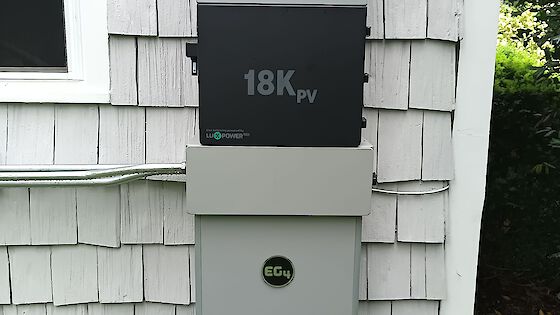
A Solis inverter connected to a battery storage system that had gone offline
The problem appeared to begin during the winter. Extended snow coverage significantly reduced solar production, eventually allowing the battery to discharge completely. Once the battery reached a critically low state of charge, the Solis inverter shut down and remained offline.
To keep the home powered, the system had been placed into bypass mode. However, the solar and battery portion of the system remained non-operational.
The First Obstacle: No Communications
Before we could properly diagnose the problem, we needed access to the inverter's monitoring and diagnostic information.
Unfortunately, the existing Wi-Fi data logger could not reliably connect to the homeowner's network. Without communications, we were unable to access system data, review faults, or perform firmware updates.
This is one of the most common service issues we encounter.
Over the life of a solar system, homeowners often:
-
Change internet providers
-
Replace routers
-
Update Wi-Fi passwords
-
Move networking equipment
Any of these changes can disconnect a solar monitoring device. The system may continue operating, but critical firmware updates, fault notifications, and diagnostic information can be lost.
The Ethernet Upgrade
To restore communications, we replaced the existing Wi-Fi data logger with a Solis data logger capable of using a hardwired Ethernet connection.
We ran an Ethernet cable directly from the inverter location to the homeowner's router, creating a stable and permanent communication pathway.
Once connected, we immediately gained access to:
-
System diagnostics
-
Historical fault information
-
Monitoring data
-
Firmware update capabilities
We then performed the latest firmware update and began investigating the inverter faults.
Chasing the Wrong Suspect
The inverter diagnostics suggested a possible issue with rooftop equipment.
Our first suspicion was a failed rapid shutdown device.
Rapid shutdown equipment is designed to safely de-energize solar conductors during emergency situations. When these devices fail, they can sometimes prevent the inverter from detecting the solar array properly.
After testing the rapid shutdown components, however, we determined they were functioning correctly.
The investigation continued.
The Real Problems
A detailed rooftop inspection uncovered two separate issues that were preventing the system from operating.
Reverse Polarity Wiring
One section of the DC wiring had reverse polarity.
Modern solar inverters contain protections that prevent startup when polarity is incorrect. While this protection helps prevent equipment damage, it also completely stops production until the wiring is corrected.
Disconnected MC4 Connector
We also discovered a disconnected MC4 connector within the array.
A single disconnected connector can interrupt an entire string of modules, preventing the inverter from receiving the voltage necessary to operate.
Together, these two faults kept the Solis inverter offline.
The Repair
Our technicians:
-
Corrected the reverse polarity wiring
-
Reconnected the disconnected MC4 connector
-
Verified proper string voltages
-
Confirmed inverter operation
-
Confirmed battery charging functionality
-
Verified monitoring through the new Ethernet-connected data logger
Once the repairs were completed, the Solis inverter returned to normal operation and resumed producing power and charging the battery.
Why We Recommend Ethernet for Solar Monitoring
This project reinforced a recommendation we make frequently to homeowners and businesses alike:
Whenever practical, use Ethernet instead of Wi-Fi for solar monitoring.
While a hardwired connection may cost slightly more during installation, it offers substantial long-term benefits:
-
More reliable communications
-
Fewer connectivity-related service calls
-
Faster and more stable monitoring performance
-
Reliable delivery of firmware updates
-
Better remote troubleshooting capabilities
-
Reduced risk of losing monitoring when internet equipment changes
In our experience, connectivity issues are among the most common reasons monitoring systems stop reporting. A hardwired Ethernet connection is often the simplest way to eliminate that risk.
Lessons Learned
This project serves as a reminder that solar troubleshooting is rarely about finding the first problem—it is about finding every problem.
What initially appeared to be a battery issue ultimately involved:
-
Lost communications
-
Missed firmware updates
-
Reverse polarity wiring
-
A disconnected MC4 connector
By restoring communications first and then systematically troubleshooting the system, we were able to identify each issue and return the solar and battery system to full operation.
Rivertown Solar Recommendation: If you're installing a new solar or battery system and Ethernet is available, choose a hardwired connection. The small additional investment upfront can save years of connectivity headaches, missed firmware updates, and unnecessary service calls.