Municipal and Non-Profit Solar
Clean Energy with Long-Term Savings and Community Impact
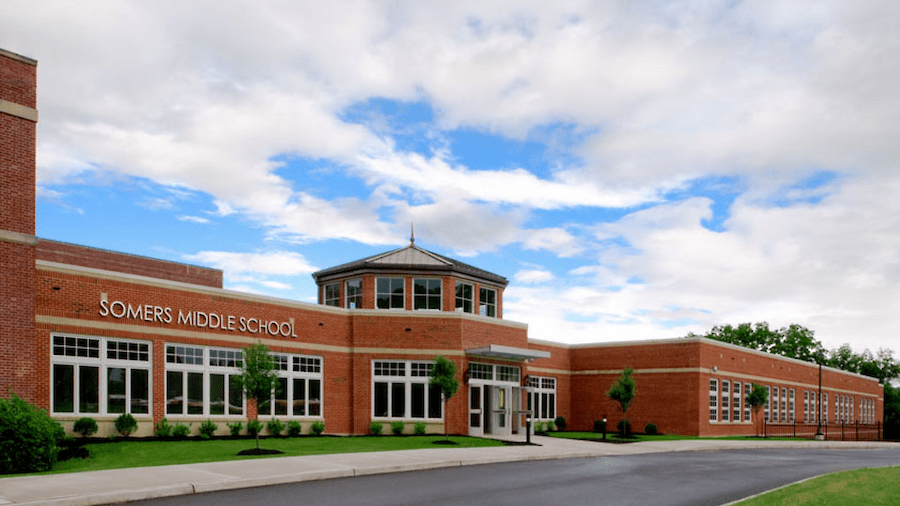
Solar that reinvests in your mission
At Rivertown Solar, we specialize in solar solutions that empower municipalities, schools, religious institutions, and non-profit organizations to reduce their energy costs and reinvest savings into their core missions.
Based in Westchester County, we understand the unique financial, permitting, and operational challenges that public and mission-driven entities face. We're here to make solar easy, affordable, and impactful.
Customized Solar Solutions
Every site is different. We design systems to fit the roofs, grounds, and parking footprints you already have.
Rooftop Solar
Ideal for schools, libraries, fire departments, or churches with structurally sound roofs and predictable usage patterns.
Parking Canopies
Create shade and generate clean power at community centers, municipal lots, or transit hubs.
Ground-Mount Systems
Maximize underutilized land or fields with efficient solar arrays. Perfect for campuses and institutions with space to spare.
Incentives for Tax-Exempt Entities
Thanks to changes in federal policy, tax-exempt organizations can now capture solar incentives as direct cash payments - opening the door to funding levels that used to require a for-profit partner.
Direct Pay allows tax-exempt entities—such as nonprofits, schools, municipalities, and tribal governments—to receive the full value of the Investment Tax Credit (ITC) as a cash payment from the IRS, even if they owe no federal taxes. This makes solar and other clean energy projects more financially viable for organizations without tax liability.
For 2025, the NY-Sun Con Edison Non-Residential Incentive provides substantial upfront rebates to lower the cost of commercial solar projects. Additional bonuses are available for affordable housing, community solar, and canopy installations.
The federal Domestic Content Bonus offers an additional 10% Investment Tax Credit (ITC) for solar projects that meet U.S.-manufacturing requirements for steel, iron, and a portion of manufactured components. To qualify, at least 40% of the total cost of manufactured products (including panels, inverters, and racking) must be U.S.-made, increasing to 55% by 2027. This bonus is stackable with the base 30% ITC for eligible projects.
The Low-Income Communities Bonus Credit provides up to an additional 10–20% Investment Tax Credit (ITC) for solar projects that benefit underserved areas. Projects can qualify by being located in low-income census tracts, on tribal land, part of qualified low-income residential buildings, or delivering at least 50% of the power to low-income households. This bonus stacks with the base 30% ITC and is subject to an annual national allocation cap.
Environmental Benefits
Solar’s lifetime emissions per kWh are substantially lower than those of fossil fuels. Distributed rooftop solar doesn't require clearing vast tracts of wilderness, and it creates a more resilient grid - thousands of small power plants constantly supplying electricity instead of one large facility.
- Lower operating costs, more money for your mission
- Visible leadership on sustainability for your community
- Energy resilience during storms and grid outages
Ready to lower energy costs for your organization?
Contact us for a no-pressure assessment. We'll walk you through financing options, incentives, and what your site can support.
